Arts

Why Major in the Arts?
Majoring in the arts develops adaptable, creative thinkers who solve complex problems, communicate visually and emotionally, and bring fresh perspectives to organizations across fields. Our arts programs combine rigorous studio practice, critical theory, and professional skills—portfolio development, project management, and collaboration—so graduates are prepared for careers in design, media, education, cultural institutions, and entrepreneurship.
-
A fine arts major studies the creation and interpretation of visual, spatial, and sometimes performance-based artworks, developing both technical skills and conceptual thinking. Students learn traditional techniques such as drawing, painting, sculpture, printmaking, and ceramics alongside digital media practices like photography, video, and 3D modeling. Coursework emphasizes experimentation, composition, color theory, and material processes while seminars and critiques train the student to analyze art historically and critically, communicate ideas clearly, and respond constructively to feedback. Studio practice teaches project planning, technical problem-solving, and the discipline of sustained creative work; electives and collaborative projects can introduce curatorial practices, exhibition design, and arts administration. Through portfolio development, public presentations, and internships, a fine arts student gains professional skills in self-promotion, grant writing, and networking, preparing them for careers as practicing artists, educators, curators, or roles in creative industries.
-
A performing arts major studies the creation and presentation of live work across theatre, music, and dance, developing skills in performance, production, and interpretation; students train their voices and bodies for expressive clarity, learn acting techniques, musical theory and ensemble collaboration, and study choreography and movement dynamics. Coursework often covers stagecraft, lighting, sound, costume and set design, and directing, so students understand both artistic and technical elements of a production. They gain skills in script analysis, improvisation, audition preparation, score reading, and ensemble rehearsal processes, plus exposure to history and criticism that shape artistic choices. Practical experience through rehearsals, productions, and workshops builds discipline, time management, communication, and adaptability, preparing graduates for careers as performers, directors, stage managers, designers, teachers, or arts administrators, and equipping them with transferable skills useful in many fields.
-
An architecture major trains students to design functional, safe, and aesthetically pleasing buildings and spaces, learning to balance creative vision with technical requirements. Coursework covers architectural history, design studios, building systems, structural principles, materials and construction methods, environmental sustainability, and digital tools such as drafting and 3D modeling software. Students develop skills in spatial reasoning, visual communication, technical drawing, model making, and project management, and practice site analysis, code compliance, and client communication. Studio projects and critiques build iterative problem solving, collaboration, and the ability to present concepts clearly. Internship experiences connect classroom learning to real-world practice, preparing graduates for roles in design firms, construction management, urban planning, and further professional licensure.
-
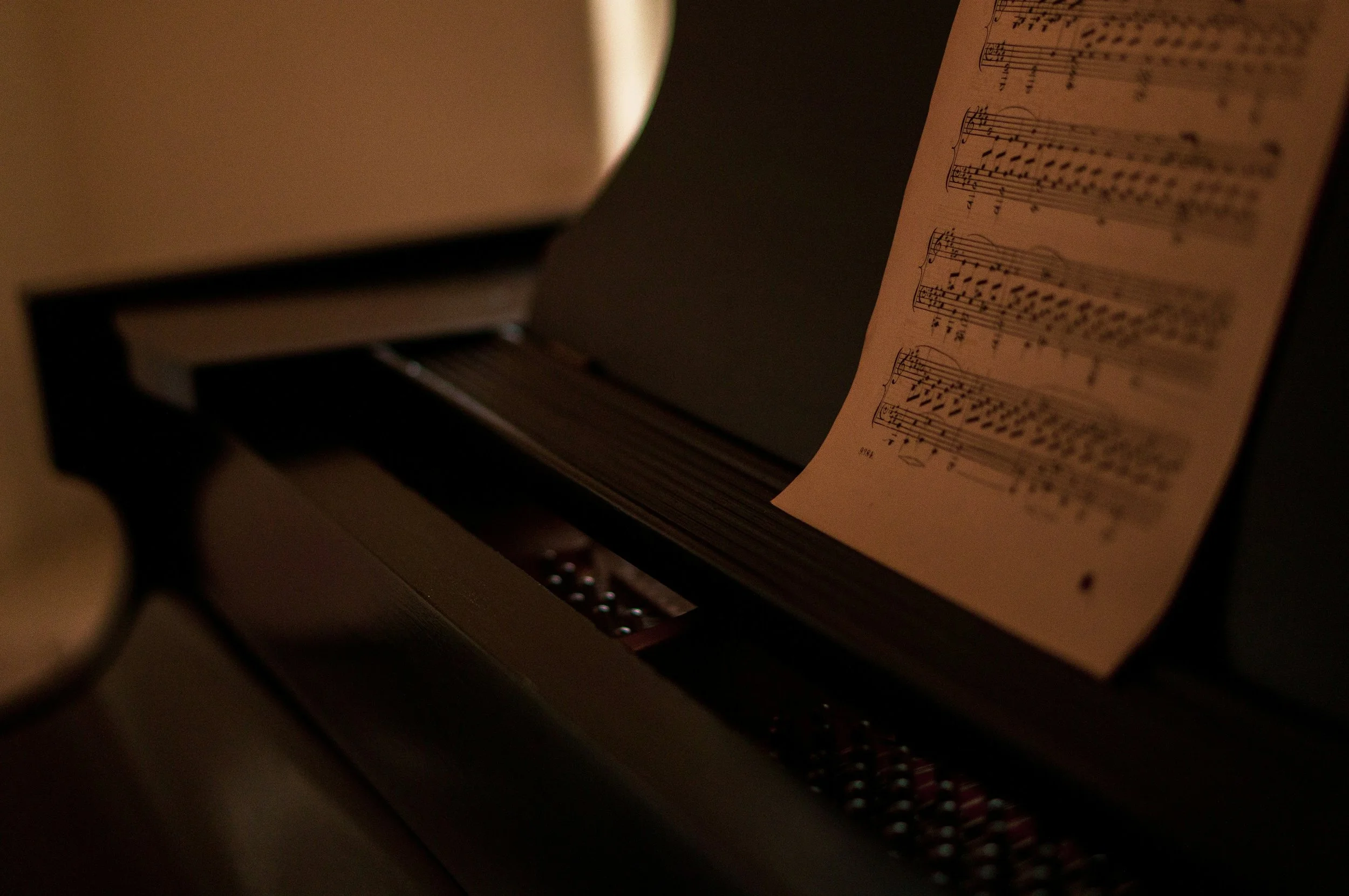
A music major studies the theory, history, performance, and technology of music while developing skills in listening, composition, and collaboration. Students learn music theory and ear training to understand harmony, rhythm, and form; study music history and ethnomusicology to place works in cultural and historical context; and practice applied performance on one or more instruments or voice to refine technique, interpretation, and stage presence. Coursework often includes composition and arranging, where students learn to craft melodies, harmonies, and textures, and music technology classes that teach recording, editing, and production tools. Ensemble participation builds teamwork, rehearsal strategies, and sight-reading ability, while classes in conducting, pedagogy, or arts administration prepare students for leadership, teaching, or management roles in musical settings. Through recitals, projects, and critiques, students develop critical listening, project planning, public presentation, and professional networking skills that apply to careers in performance, education, production, and other music-related fields.
-
An interior design major prepares students to shape functional, safe, and aesthetically pleasing indoor environments by teaching core principles of space planning, color theory, materials, and lighting. Coursework covers how to analyze client needs, develop conceptual designs, create detailed floor plans and elevations, and produce construction documents using hand drawing and digital tools such as CAD and 3D modeling. Students learn about building codes, accessibility standards, sustainable materials, and environmental psychology to ensure designs are both compliant and responsive to occupants’ well-being. Studio classes emphasize iterative design processes, problem solving, and collaboration, while courses in history of design, textiles, and furniture systems provide context and technical knowledge. Practical training often includes material selection, specification writing, and portfolio development, preparing graduates for roles in residential and commercial design, project coordination, or further specialization in areas like lighting design or sustainable interiors.
-
An animation major studies the principles and practices of bringing characters, environments, and stories to life through motion, learning both traditional and digital techniques used across film, television, games, and online media. Coursework covers drawing fundamentals, figure and gesture, color theory, composition, storytelling, timing, and the physics of movement, while technical training includes 2D hand-drawn animation, stop-motion, 3D modeling, rigging, keyframe and procedural animation, and software workflows for industry-standard tools. Students also learn preproduction skills—storyboarding, concept art, character and environment design—and postproduction processes like compositing, editing, and sound integration. Emphasis on collaborative production teaches project management, pipeline coordination, and communication with directors, designers, and technical artists; portfolio and reel development prepares students for roles such as animator, character rigger, layout artist, technical artist, or visual development artist. Throughout the program, critiques and real-world projects build problem-solving skills, attention to timing and detail, an understanding of visual storytelling, and the technical proficiency needed to convert creative ideas into finished animated work.
-
A game design major studies the principles and practices behind creating interactive digital and analog games, combining creativity with technical and analytical skills; students learn level and systems design to craft engaging player experiences, narrative and character development to convey story and emotion, and user experience and interface design to ensure clarity and accessibility; they gain hands-on experience with prototyping, playtesting, iteration, and balancing mechanics, and they study art fundamentals, audio design, and animation workflows enough to collaborate effectively with artists and composers; on the technical side, students learn scripting and basic programming for gameplay logic, tools and engines used in the industry, and version control and project management to work within teams; they also study game psychology and player behavior, ethics and monetization models, and the business side of publishing and marketing, preparing graduates to design games, lead interdisciplinary teams, or continue into specialized roles such as systems designer, narrative designer, level designer, or producer.
Key Skills Developed
Education
Cultivates creative problem-solving, critical observation, clear communication, and adaptive project management—skills that translate directly into effective, strategic, and personalized educational planning.
Creativity
Strengthens a student’s creativity through open-ended, iterative projects; developing visual literacy and narrative intuition for communicating complex ideas; and encouraging bold experimentation.
Design Skills
Trains you to adapt your creative process to each project's unique needs, sharpening observational skills, iterative problem-solving, and user-centered design thinking so you can craft solutions that diverse people and contexts.
Conceptual Development
Fosters conceptual development skills by training students to synthesize abstract ideas into tangible forms, requiring them to navigate complex problem-solving processes where metaphor, context, and critical inquiry intersect.